Life cycle study
Detailed study of the pest life cycle, covering the reproductive stages and the conditions that drive them.
 Pai Hygiene & Health CareUdaipur, Rajasthan
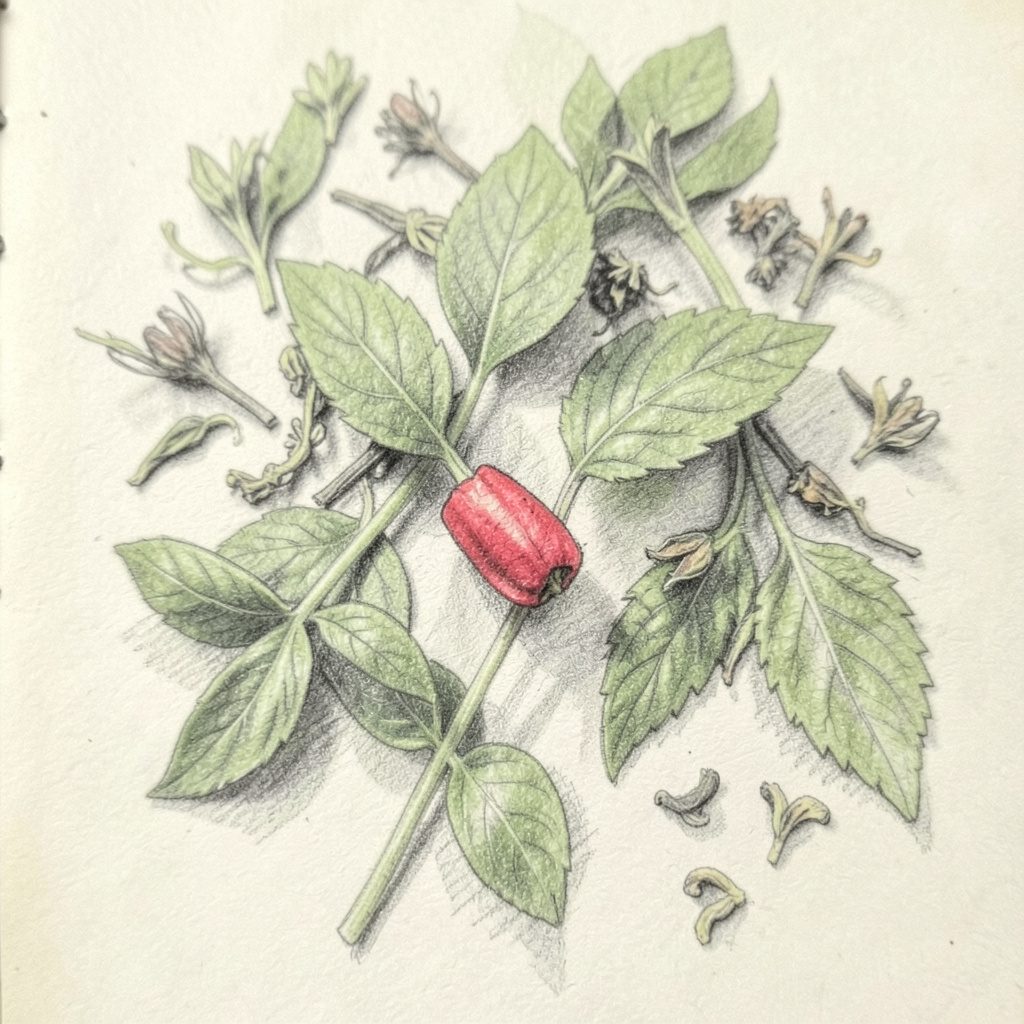
How Pai Hygiene & Health Care approaches pest problems the organic way — by understanding the pest first, then building a treatment plan around its biology and surroundings.
Effective control begins with observation. Our approach starts with a detailed study of the pest life cycle, including reproductive stages, and the environmental factors that influence them.
By mapping how a pest develops and what conditions help it thrive, we can shape an Integrated Pest Management (IPM) strategy around the biology of the problem instead of a fixed routine.
The aim is an approach that addresses the pest without side effects on humans, using herbal and organic formulations suited to the species and the situation.
Organic pest management at Pai Hygiene & Healthcare begins with understanding the pest before reaching for any treatment. Our approach studies the life cycle of the organism, including its reproductive stages, and the environmental conditions that allow it to flourish. By mapping how a pest develops and what surroundings sustain it, we can design an Integrated Pest Management strategy shaped around natural biology rather than chemical force. This fits our wider belief that the earth does not belong to us, that we belong to the earth, and that nature itself holds the answer to most problems we try to solve.
Because effective control grows out of observation and planning, the organic pest management service is built to reduce routine reliance on pesticides and genetically modified products. Instead of blanket spraying, the plan considers natural deterrents, habitat adjustments, and the panchatatva idea that every element of the world carries its own inherent qualities. The same philosophy extends across our home care, garden care, and pet care ranges, where essential oils and organic alternatives are chosen to work with living systems. The result is a thoughtful, preventative approach that supports healthier homes, gardens, and families over the long term.

Detailed study of the pest life cycle, covering the reproductive stages and the conditions that drive them.
Environmental factors that influence the pest are examined so the plan targets the conditions behind the infestation.
Identification of the different stages from egg to adult helps decide what is needed at each point of the cycle.
Every stage of the cycle behaves differently. Our strategy identifies the stage at hand — from egg to adult — so the response matches the pest's actual point of development.
Working through the full cycle keeps the approach consistent instead of reacting only to the sightings that are most visible.
| Aspect | Focus |
|---|---|
| Study | Pest life cycle, reproductive stages and environmental factors |
| Method | Integrated Pest Management (IPM) |
| Identification | Different stages from egg to adult |
| Outcome | Pest management with no side effects on humans |
Share the pest you are dealing with and where it appears, and we can discuss an approach suited to it.